Thinking about your next move but not excited about mowing, exterior repairs, or a long weekend of yard work? If you have owned a home for years, the idea of a lower-maintenance lifestyle can feel both exciting and a little overwhelming. In Westerville, you have more than one path to simplify daily upkeep, and knowing how to compare those options can help you move with confidence. Let’s dive in.
Why Westerville Works for Downsizers
Westerville offers a mix of housing types, which gives you flexibility if your goal is to cut back on chores without giving up comfort. The city notes that buyers can find both older and newer homes, smaller and larger lots, and homes with a more city-lifestyle feel.
That variety matters if you are trying to decide whether you want a condo, a townhome, or a smaller detached home. A low-maintenance move in Westerville is not just about attached housing. It can also mean choosing a home with a smaller lot or a location that makes daily errands easier.
Westerville’s planning efforts also reflect changing household needs. The city’s Age-Friendly plan says more than 70% of the housing stock is single-family, single-person households are the fastest-growing household type, and demand for senior housing is increasing.
What “Low-Maintenance” Really Means
A low-maintenance move usually means fewer exterior responsibilities, not zero responsibilities. That distinction can help you avoid surprises when comparing homes.
In many condos, monthly fees may cover exterior repairs, shared areas, water, sewer, trash, insurance, recreational amenities, and reserve contributions. In planned communities, an owners association may also handle certain maintenance and upkeep, but the exact responsibilities can vary from one community to another.
That is why the first question is not “Does it have an HOA?” The better question is, what does the HOA actually cover, and what still falls on you?
Compare Westerville Housing Options
Condos
A condo can be a strong fit if you want to hand off many exterior chores and focus more on convenience. In Ohio, condominium sales come with a detailed disclosure statement that can include projected expenses, reserve funds, management terms, warranties, and possible litigation.
That paperwork can be helpful because it gives you a clearer view of the community’s financial picture. If you value predictability, this level of disclosure is an important part of your review process.
Townhomes
Townhomes often appeal to buyers who want less yard work but still want a more traditional home layout. Depending on the community, your association may cover some exterior maintenance while you remain responsible for other items.
Because coverage varies, it is important to read the governing documents closely. Two townhome communities in Westerville can feel very different once you compare fees, rules, and maintenance obligations.
Smaller Detached Homes
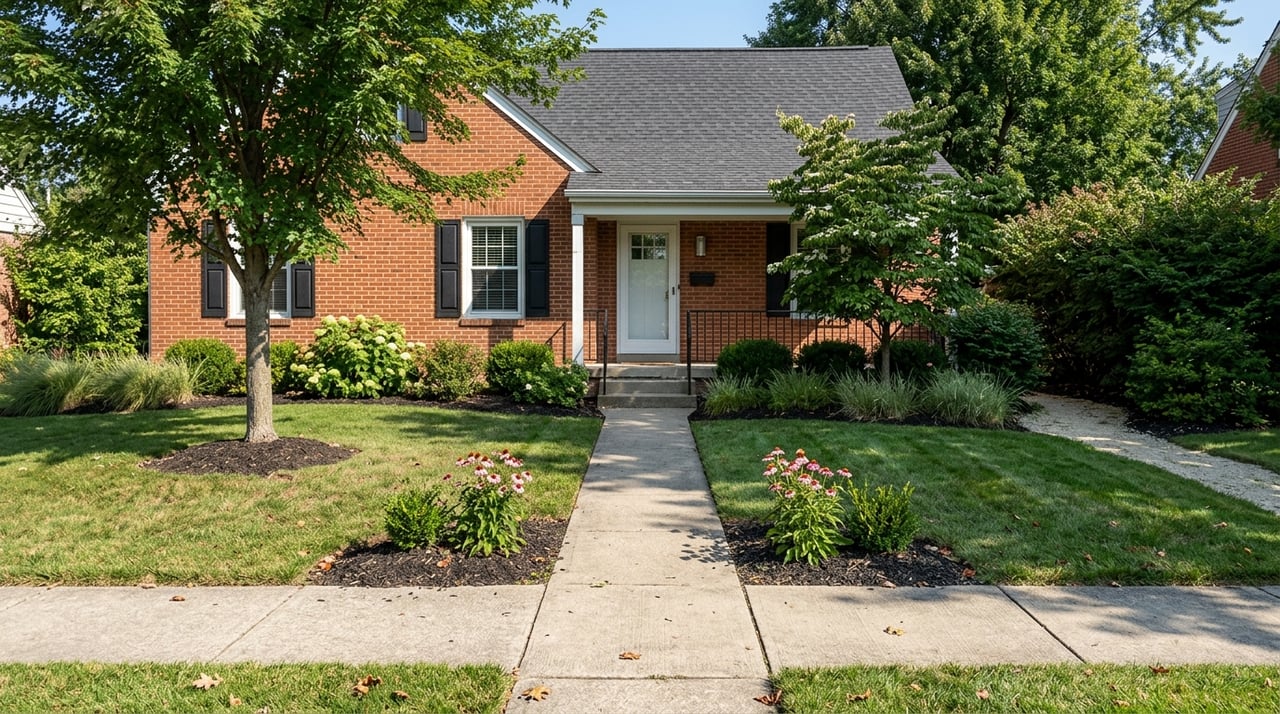
If you want privacy and fewer shared walls, a detached home can still support a low-maintenance lifestyle. Westerville’s housing mix includes homes on smaller lots and homes with a more city-lifestyle slant, which can reduce the amount of outdoor upkeep compared with a larger suburban lot.
This option can be a good fit if you want to simplify without moving into a condo. You may still handle your own exterior maintenance, but the workload may be much lighter than what you manage now.
Budget Beyond the Mortgage
One of the biggest mistakes in a low-maintenance move is focusing only on the purchase price. HOA dues are usually separate from the mortgage, and they need to fit your monthly budget just like taxes, insurance, and utilities.
Those dues can range widely depending on the property and what the association provides. Fees may also increase over time, so it is smart to ask not only what the current amount is, but also how the community plans for future expenses.
A higher monthly fee is not always bad if it covers services you will actually use and helps reduce surprise repair costs. The real question is whether the fee matches your lifestyle and your priorities.
Review HOA Fees the Right Way
Ask What the Fee Includes
Some communities cover exterior repairs and common-area care. Others may also include water, sewer, trash, insurance, or amenities.
You will want a simple list of what is included so you can compare one property to another. A lower fee may not be the better value if it leaves you paying for more things on your own.
Check Reserve Funds
Reserve funds matter because they help pay for major future repairs. Ohio planned community law requires annual budgets to include reserves adequate to repair and replace major capital items unless a majority of owners waive that reserve requirement each year.
That makes reserve review especially important. If reserves are weak, owners may be more exposed to special assessments when expensive work comes up.
Look for Special Assessments
A community may charge special assessments for major repairs or unexpected costs. Before you buy, ask whether any assessments are pending or being discussed.
This is one of the clearest ways to avoid budget surprises after closing. It is also a useful signal about how the association manages long-term maintenance.
Read the Rules Carefully
Community rules can shape your day-to-day experience. Review the CC&Rs or bylaws for rules on pets, parking, rentals, and home improvements.
If you plan to update flooring, paint the exterior, change materials, or make structural changes, approval may be required. It is much easier to learn that before you buy than after you move in.
Think About Daily Life, Not Just the Home
A lower-maintenance move is often about more than the property itself. It can also mean making everyday life simpler by living closer to places you already use.
Westerville frames housing as part of a broader mobility picture. The city’s plans emphasize connections to recreation, shopping, medical facilities, parks, neighborhoods, commercial centers, and Uptown.
That matters because less driving and easier access can make a home feel more manageable over time. If your goal is convenience, the surrounding area deserves as much attention as the floor plan.
Walkability in Westerville Varies by Address
Westerville has strong pedestrian assets, including about 240 miles of sidewalks and 51 miles of recreational trails. The city also says it has 26 parks, more than 650 acres of parkland, and that 95% of homes are within a half-mile of a developed park.
At the same time, the city’s Age-Friendly plan says Westerville is still primarily car-dependent with limited public transportation. That means citywide reputation only tells part of the story.
A practical approach is to evaluate walkability by the exact address. One area may offer easier access to Uptown, parks, or services, while another may require more driving for daily needs.
Keep Transit in the Conversation
If driving less is part of your goal, transit access is worth reviewing during your search. Westerville’s COTA//Plus service connects to Uptown, Otterbein, Polaris, Route 41, Route 43, Route 102, and CMAX.
That may or may not affect your final choice, but it can add flexibility. Even occasional transit access can make a lower-maintenance lifestyle feel more practical.
A Simple Westerville Downsizing Filter
If you feel stuck between several good options, start with a short list of priorities. This can help you screen homes faster and focus on what matters most.
Use these questions as your first filter:
- What maintenance do you want to stop doing?
- What monthly HOA payment feels comfortable?
- How much walkability or amenity access matters to you?
- Do you want shared walls, or would you prefer a detached home?
- Are you comfortable with community rules on pets, parking, rentals, or updates?
This kind of filter can bring clarity quickly. It also helps you separate what sounds nice from what truly supports your next chapter.
Documents to Request Before You Buy
When you find a promising property, ask for the documents that reveal how the community actually operates. These records often tell you more than a listing description ever could.
Request these items before making a final decision:
- HOA budget
- Reserve information
- CC&Rs or bylaws
- Insurance summary
- Rules for pets, parking, rentals, and improvements
- Any information about special assessments
- Any information about pending litigation
These documents can help you compare communities on more than appearance alone. They also support a calmer, more informed decision.
If You Are Not Ready Yet
A low-maintenance move is not the only option. Westerville also has age-friendly planning and home-repair efforts that can support aging in place, which may affect your timing if you are still deciding whether to move now or later.
That can be helpful if you want to stay put for a few more years while making your current home easier to manage. Sometimes the best next step is not a fast move, but a well-timed one.
The Bottom Line for Westerville Buyers
In Westerville, a low-maintenance move is usually an address-by-address decision rather than a simple condo-versus-house choice. The best fit often comes down to the balance between maintenance responsibility, HOA cost, walkability, and how much you will actually use the amenities that come with the property.
If you are planning a move in Westerville and want patient, local guidance on comparing condos, townhomes, and smaller detached homes, Linda M Rano Jonard can help you sort through the options and make a confident plan.
FAQs
What does low-maintenance living in Westerville usually include?
- In Westerville, low-maintenance living usually means reducing exterior chores like yard work and exterior repairs, though your exact responsibilities depend on the property type and what the HOA or association covers.
Are condo fees in Westerville included in the mortgage payment?
- Usually not. HOA or condo dues are typically paid separately from your mortgage, so you should include them in your monthly housing budget when comparing properties.
What should you review before buying a condo or townhome in Westerville?
- You should review the HOA budget, reserve information, CC&Rs or bylaws, insurance summary, rules on pets, parking, rentals, and improvements, plus any information about special assessments or pending litigation.
Is Westerville walkable for downsizers who want fewer car trips?
- It depends on the exact address. Westerville has extensive sidewalks, trails, and park access, but the city also notes that it remains primarily car-dependent with limited public transportation.
Can you find low-maintenance detached homes in Westerville?
- Yes. Westerville offers a mix of housing options, including detached homes on smaller lots that may reduce upkeep without requiring a move into a condo.
How do reserve funds affect a Westerville HOA community?
- Reserve funds help cover major future repairs and replacements. Strong reserves may reduce the chance of unexpected special assessments, which is why reviewing reserve information is an important part of the buying process.