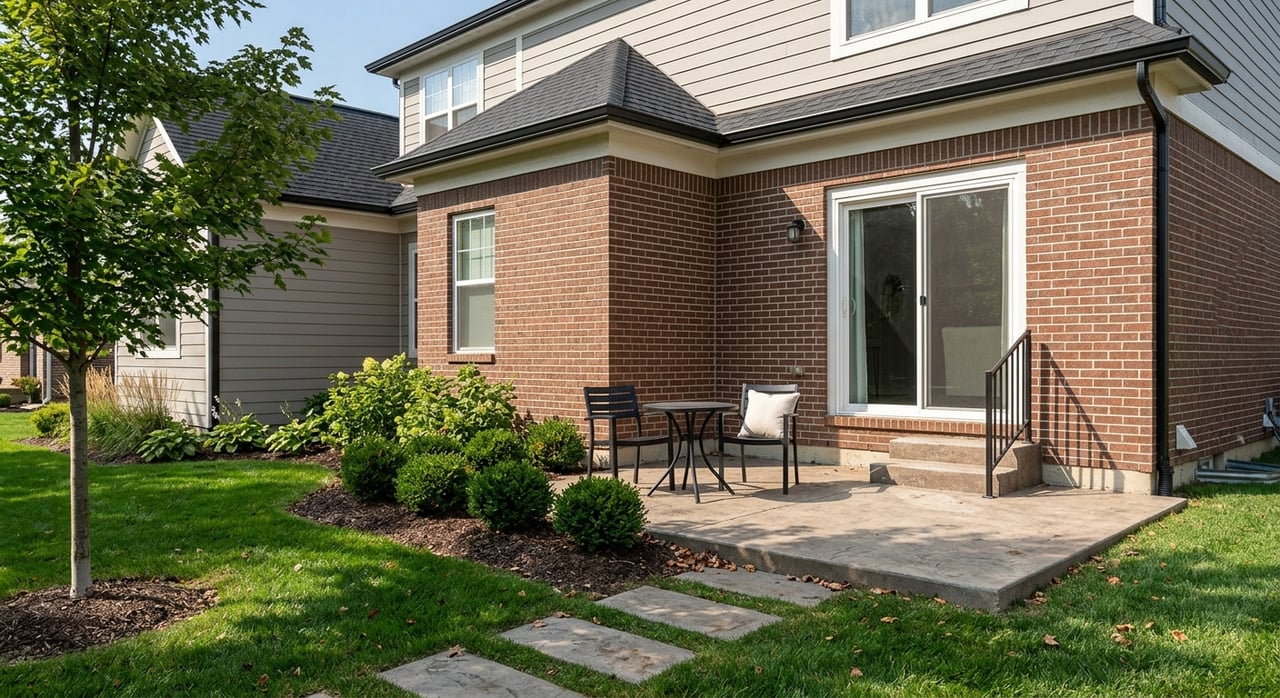
Thinking about selling your home in Lewis Center? In this market, a successful sale usually takes more than putting a sign in the yard and hoping for a fast offer. Buyers have options, homes are still taking time to sell, and the right plan can make a real difference in your price and timeline. This step-by-step guide walks you through what to expect, how to prepare, and how to move from listing to closing with more confidence. Let’s dive in.
Understand the Lewis Center market
If you are selling in Lewis Center, it helps to start with the current pace of the market. Recent public data shows a market that is between balanced and somewhat competitive, not a market where every home sells instantly.
Realtor.com market data for Lewis Center shows a median home sale price of $560,000, 162 homes for sale, a median 72 days on market, and a 100% sale-to-list ratio in February 2026. That means pricing and presentation still matter.
Public snapshots also suggest buyers are comparing homes carefully. With inventory available and sale-to-list ratios near asking price instead of far above it, your first-week launch strategy can have a big impact on how your home performs.
Step 1: Start with a pricing and planning meeting
Before your home goes live, you need a clear plan. That starts with a home valuation, a market analysis, and a conversation about your goals, timing, and any updates your home may need before listing.
In Lewis Center, where homes may take several weeks to attract the right buyer, accurate pricing is especially important. A price that is too high can lead to extra market time, while a thoughtful price can help you attract serious interest early.
This is also the stage where a full-service team can help you build a realistic timeline. From prep work to closing, your sale may involve many moving parts, so having a roadmap from the beginning can reduce stress.
Step 2: Complete the required Ohio paperwork
Selling a home is not just about photos and showings. In Ohio, there are important documents that need to be handled before your property is marketed.
Under Ohio agency law, a written agency agreement must be in place before a licensee advertises or shows residential real property for a seller. Ohio also requires an agency-policy disclosure and a separate anti-discrimination disclosure before the listing is marketed or shown.
For most one-to-four-unit residential properties, you also need to complete the Ohio Residential Property Disclosure Form. This form covers known material facts about the property’s condition, including items such as the roof, foundation, water supply, sewer or sewage treatment, and certain hazardous materials within your actual knowledge.
Step 3: Prepare your home for the market
Once the planning and paperwork are underway, it is time to focus on presentation. In a market like Lewis Center, buyers often compare several homes before making a decision, so your home needs to show well both online and in person.
A strong prep phase often includes:
- Decluttering and simplifying each room
- Completing targeted repairs
- Touching up paint or finishes where needed
- Deep cleaning
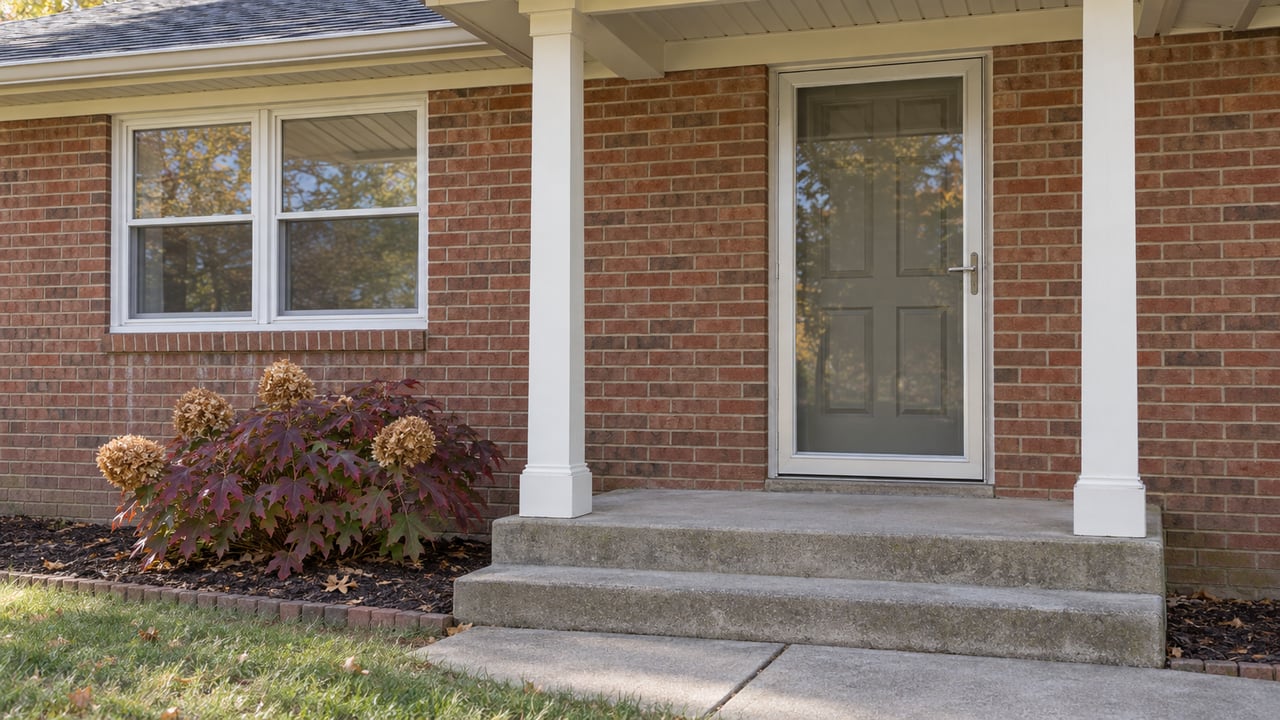
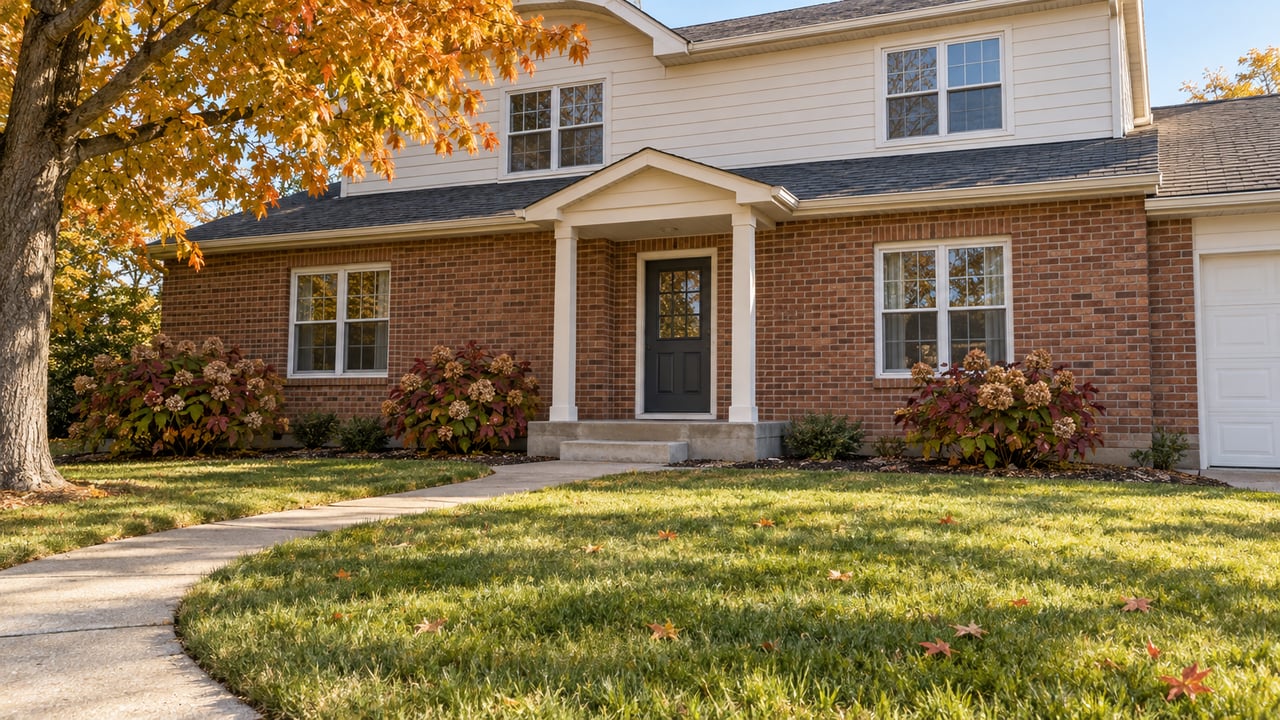
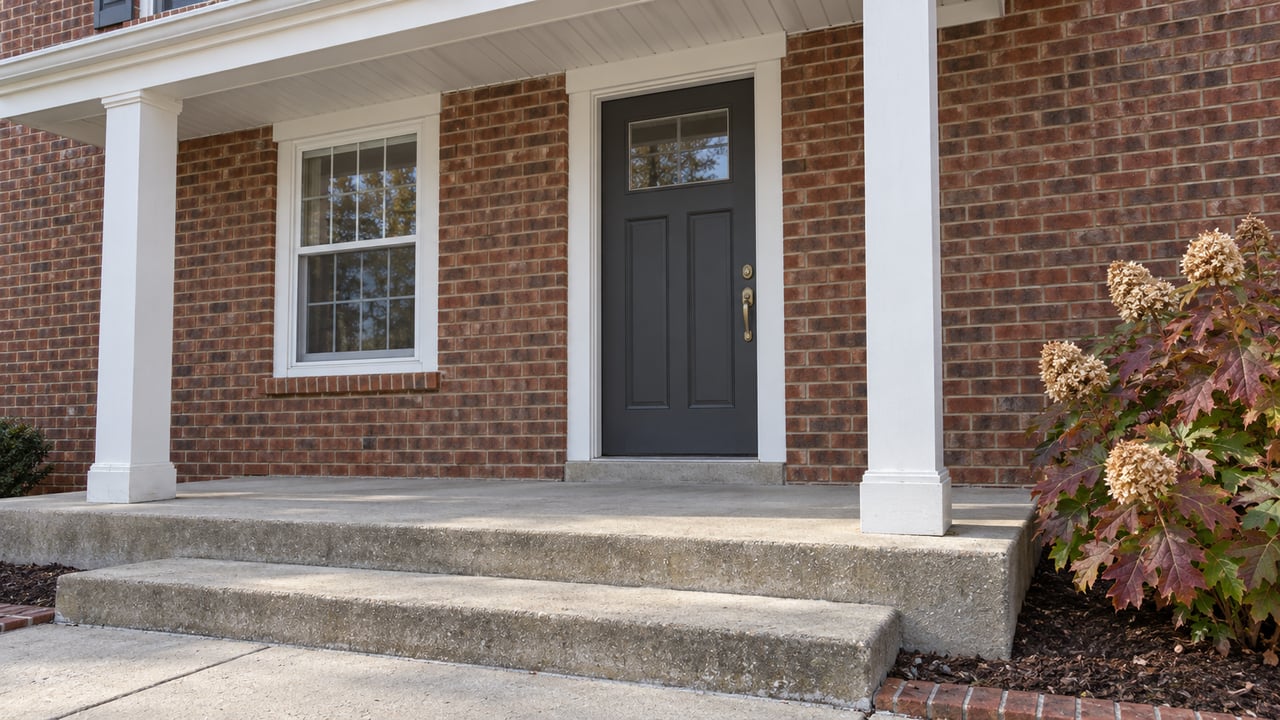
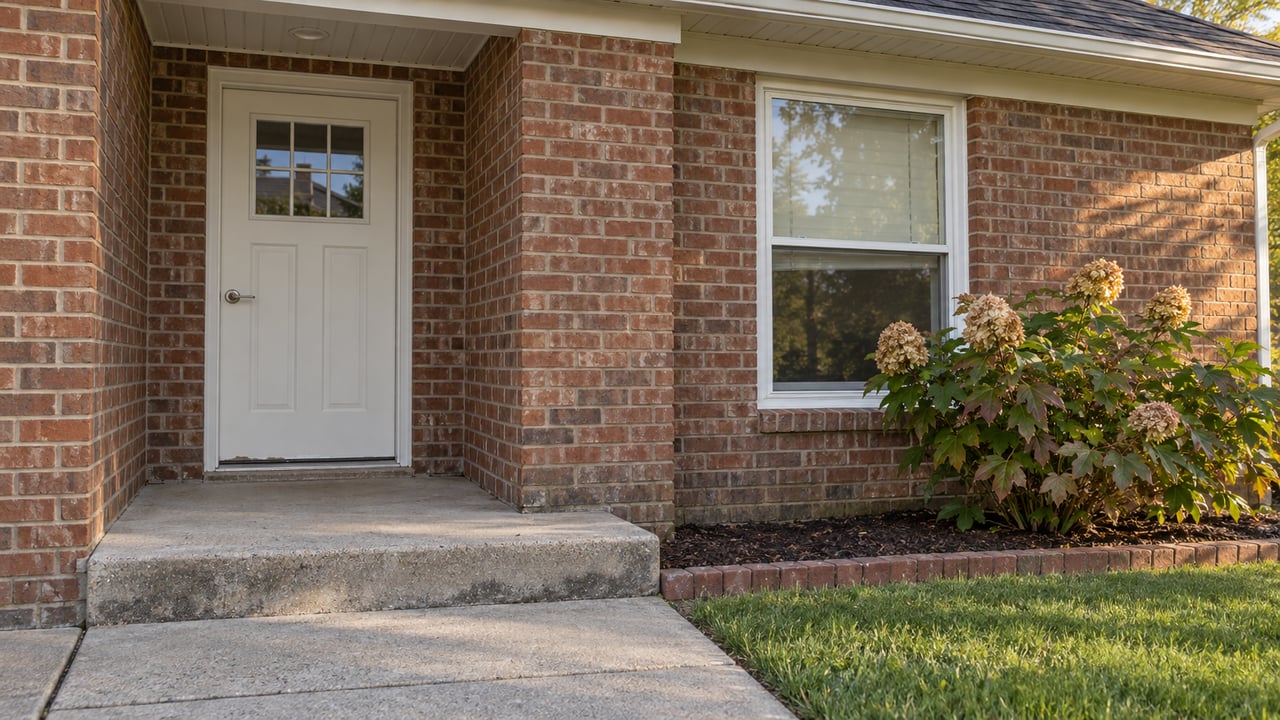
- Improving curb appeal
- Creating a staging plan
This part of the process is not about making your home look generic. It is about helping buyers clearly see the space, layout, and condition of the home from the first photo to the final showing.
Prioritize the rooms that matter most
If you are deciding where to focus your time and budget, start with the rooms buyers notice most. According to the 2025 NAR Profile of Home Staging, the living room, primary bedroom, and kitchen are the most important rooms to stage.
That same report found that 83% of buyers’ agents said staging made it easier for buyers to visualize a property as a future home. In other words, thoughtful presentation can help your home feel more memorable and move-in ready.
Step 4: Invest in photos and listing media
Today, most buyers start online. That makes your photos, video, and overall listing presentation some of the most important parts of your selling plan.
The National Association of REALTORS® reports that buyers’ agents rate photos, physical staging, videos, and virtual tours as important listing assets. If your home looks polished and well-prepared online, you have a better chance of earning strong showing activity during those crucial first days on the market.
Professional photography is not just a nice extra. It is part of how buyers decide whether your home is worth seeing in person.
Step 5: Launch with a clear showing strategy
When your home is ready, the listing goes live. This stage often includes final touch-ups, activating the listing, scheduling showings, gathering feedback, and adjusting if needed.
It is smart to go in with realistic expectations. Lewis Center homes are not always selling overnight. Public market snapshots show median days on market around 60 to 72 days, which means even a well-prepared home may need multiple weeks of showings before the right offer comes together.
That does not mean anything is wrong. It means the market is giving buyers time to compare, and your plan should account for that.
Why the first week matters
While a sale may not happen instantly, your first week still matters a lot. With sale-to-list ratios near 99% to 100%, many sellers are landing close to asking price, but not always with dramatic bidding wars.
That is why the launch price, showing condition, and marketing quality should work together from day one. A strong start can help you avoid unnecessary price reductions later.
Step 6: Review offers carefully
When offers come in, price is only one part of the story. You also need to look at financing terms, contingencies, requested timelines, and the buyer’s overall ability to close.
A thoughtful review helps you compare the full picture, not just the top number on paper. In some cases, the best offer is the one with cleaner terms and a smoother path to closing.
This is where experienced guidance can really help. Clear communication, careful comparison, and a steady negotiation strategy can protect your interests and keep the deal moving forward.
Step 7: Move from contract to closing
Once you accept an offer, the transaction enters the next phase. This is when inspections, appraisal, title work, earnest money handling, and closing logistics take center stage.
The NAR consumer guide to the steps between signing and closing explains that earnest money is typically placed into escrow, and lenders commonly require an appraisal and title search before closing. The Consumer Financial Protection Bureau also notes that buyers still need to complete financing documents, inspections, insurance steps, and other closing tasks after an offer is accepted.
For sellers, this period often involves responding to inspection findings, coordinating any agreed repairs, and staying on top of key dates. Under contract is a major milestone, but it is not the finish line yet.
Expect 30 to 60 days to close
A financed transaction usually takes time after contract. According to Freddie Mac’s homebuying timeline guide, closing can take 30 to 60 days, depending on how quickly inspections, appraisal, and underwriting move.
Fannie Mae’s closing overview adds a few helpful details. A title company typically runs the title search a few weeks before closing, the buyer receives the Closing Disclosure at least three business days before closing, and a final walk-through usually happens on or just before the closing date.
That is why a coordinated plan matters so much. Good transaction management helps keep deadlines, paperwork, and communication from becoming overwhelming.
What a full-service selling plan can help coordinate
A well-managed sale is really a sequence of connected steps. When each part is handled with care, the process tends to feel more organized and less stressful.
A full-service approach may help coordinate:
- Complimentary home valuation and market analysis
- Pre-listing planning and pricing strategy
- Staging guidance and professional photography
- Curated vendor referrals for prep work
- Listing launch and showing logistics
- Feedback review and offer management
- Inspection and repair coordination
- Title communication and closing deadlines
For many sellers, that kind of support is valuable because it keeps the process from feeling piecemeal. Instead of managing every handoff alone, you have a clearer path from consultation to closing.
Your Lewis Center selling timeline at a glance
Every sale is different, but a typical timeline can look something like this:
| Stage | What happens |
|---|---|
| Consultation | Valuation, pricing discussion, timeline planning |
| Paperwork | Agency agreement, required disclosures, property disclosure form |
| Preparation | Decluttering, repairs, cleaning, staging, photography |
| Launch | Listing goes live, showings begin, feedback is reviewed |
| Negotiation | Offers are compared, terms are negotiated, contract is signed |
| Under contract | Inspection, appraisal, title work, lender process |
| Closing | Final walk-through, signing, deed transfer |
In Lewis Center, it is reasonable to plan for several weeks to get under contract and another 30 to 60 days to close, especially with financing involved. A realistic timeline can help you make better decisions about your move, next purchase, or downsizing plans.
Selling your home is a big decision, and it is easier when you have a plan built around your goals, your timeline, and the realities of the local market. If you are thinking about your next move in Lewis Center, Linda M Rano Jonard can help you with a complimentary home valuation, thoughtful pricing guidance, professional presentation, and hands-on support from consultation to closing.
FAQs
How long does it usually take to sell a home in Lewis Center?
- Based on current public market data, homes in Lewis Center are taking about 60 to 72 days to sell, and closing can add another 30 to 60 days after you accept an offer.
Is home staging worth it for a Lewis Center home sale?
- Often, yes. NAR reports that staging helps buyers visualize the home, and many agents say staging can reduce time on market and improve offered value.
What paperwork is required to sell a home in Ohio?
- For most residential sales, key documents include a written agency agreement, required agency and anti-discrimination disclosures before marketing, and the Ohio Residential Property Disclosure Form.
What happens after I accept an offer on my Lewis Center home?
- After acceptance, the sale typically moves through escrow, inspection, appraisal, title work, lender steps, final walk-through, and closing.
What does a full-service real estate team coordinate for sellers?
- A full-service team may coordinate pricing, prep, staging, photography, showings, offer review, inspection follow-up, title communication, and closing deadlines.