Ready to trade yard work for more time at Hoover Reservoir or on the Genoa Trail? If you are eyeing a condo or townhome around Galena, you are not alone. You want lower maintenance, a smart monthly budget, and a location that still keeps your commute easy. This guide gives you clear price and HOA fee ranges, a step-by-step due diligence checklist, and the Ohio-specific rules that matter before you write an offer. Let’s dive in.
What you can buy in Galena
Galena is a small village with a mix of housing. True condo and townhome inventory inside the village is limited, so many buyers compare options in nearby Lewis Center, Westerville, and Powell. That keeps your search flexible while staying close to Galena’s trails, reservoir access, and the Polaris corridor.
- Entry attached units near Polaris and Lewis Center often list around $200,000 to $320,000.
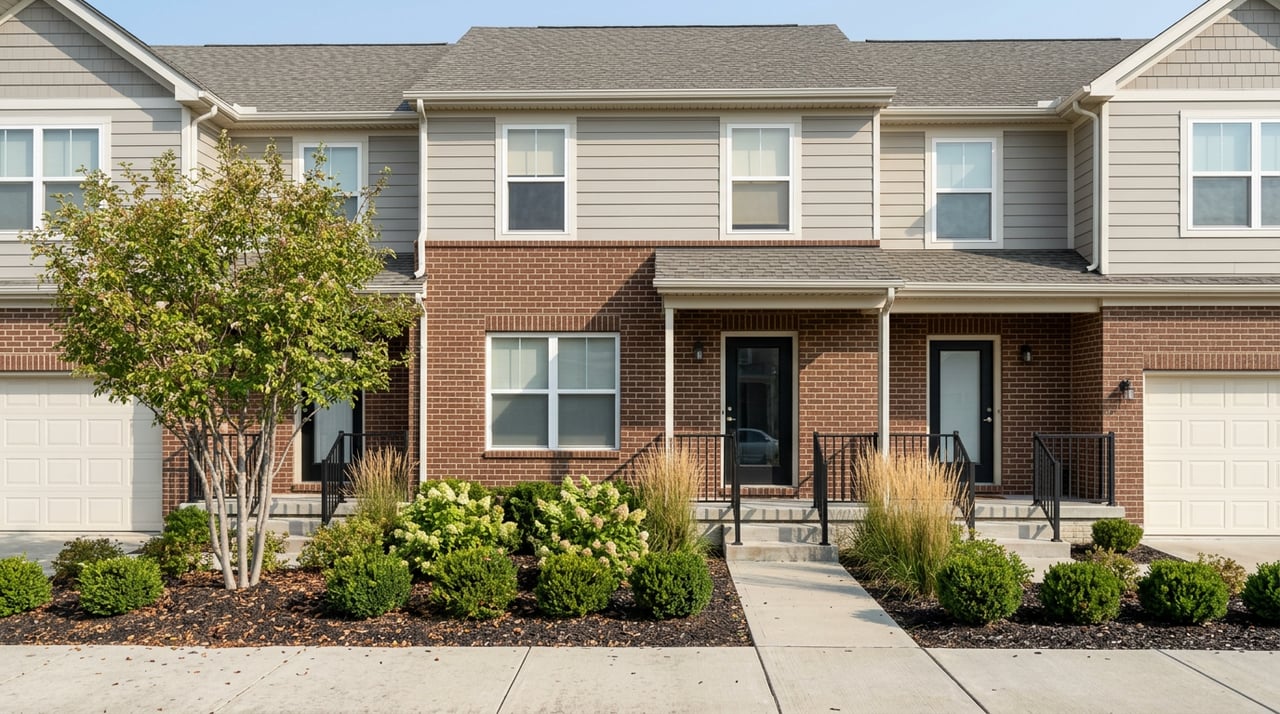
- Newer, mid-range townhomes in the Galena and Lewis Center corridor tend to land around $325,000 to $500,000, depending on size, garage, and finishes.
- Premium, amenity-rich condos or gated townhouse communities nearby can reach $500,000 to $800,000+.
HOA fees vary by services and amenities. Local listings show a spread from about $140 to $200 per month in basic communities to about $300 to $550+ per month where you get a clubhouse, pool, or broader insurance coverage. For example, some Mystic Pointe-style townhomes have shown fees near $150 per month, while amenity-heavy communities in nearby Westerville have shown fees in the $450 to $540 range. Always confirm the exact fee and what it includes on each specific listing.
Condo vs. townhome: what really matters in Ohio
The legal form drives responsibilities
“Townhouse” describes a building style, not an ownership type. In Ohio, a condominium is a legal form created by a recorded declaration. You own your unit plus a shared interest in common elements, and you belong to a unit owners association. A townhouse may be part of a condo or it may be fee simple with an HOA. The best way to know your responsibilities is to verify the recorded legal description and the condo or HOA declaration. You can review Ohio’s condominium statute in Chapter 5311 of the Ohio Revised Code.
What HOAs typically cover
Condo associations often handle the building exterior, roofs, landscaping, snow removal, and common-area systems. Owners usually cover interior maintenance and contents. For attached fee-simple townhomes, the split varies. Some HOAs handle roofs and exteriors, others leave those to owners. Review the declaration and budget to see the exact maintenance split and covered services. A helpful overview of common inclusions is available in this guide on what HOA fees often cover.
Documents and powers that affect your purchase
Ohio law requires core disclosures for condominium developments and gives associations powers to collect assessments, adopt budgets, maintain records, purchase insurance, and prepare resale certificates for a fee. These provisions affect what you should receive during a transaction and what lenders will review. Get familiar with the Ohio condominium statute so you know what to request.
Budgeting your monthly payment
Think of HOA fees as part of your monthly housing cost alongside mortgage payment, property taxes, and insurance. A simple way to visualize it is to convert the HOA to annual terms:
- $150 per month = $1,800 per year
- $350 per month = $4,200 per year
Then add mortgage principal and interest, property taxes, insurance, and utilities to estimate your total monthly housing cost.
Here is a quick example you can adapt with your own numbers:
- If your mortgage payment is about $2,200 per month and the HOA is $200 per month, the HOA is roughly 9 percent of your mortgage payment.
- If the HOA is $500 per month, it is roughly 22 percent of that same mortgage payment.
Property taxes vary by township and school district within Delaware County. For property-specific estimates and the latest rates, use the county auditor’s rates of taxation page.
Insurance and the master policy
Confirm what the association’s master insurance policy covers and what you must insure yourself. Many condo owners carry an HO-6 policy for interior finishes, personal property, and liability. Ask for the master policy’s declarations page to see coverage limits and deductibles. Lenders often require this during underwriting, especially since recent updates to Fannie Mae and Freddie Mac project reviews. You can read more about those lender requirements here: Fannie Mae and Freddie Mac project review updates.
Reserves and special assessments
Healthy reserves help an association pay for big-ticket items like roofs and paving without sudden increases or special assessments. Underfunded reserves can create out-of-pocket surprises and may affect loan eligibility in some condo projects. Ask for the current budget and the most recent reserve study. CAI explains why reserve studies matter in this overview on reserve studies and financial health.
Your due diligence checklist
Use this checklist to compare units and communities confidently. Request documents early so you can review them during your inspection period.
Must-see documents
- Governing documents: declaration, bylaws, and rules. These define the maintenance split, restrictions, pets, and architectural controls. See the framework in Ohio Revised Code Chapter 5311.
- Current annual budget and the most recent reserve study or written reserve plan. If there is no reserve study, treat it as a risk signal. Review CAI’s guidance on reserve studies.
- Financial statements for the last 2 to 3 years and meeting minutes for the last 12 to 24 months. Look for spending patterns, reserve contributions, and delinquency trends.
- Resale certificate and statement of unpaid assessments. Ohio allows reasonable fees for preparing these. Details are outlined in Chapter 5311.
- Master insurance declarations page, including deductible and replacement limits. This is common in lender project reviews. See the overview of lender requirements.
- Any notices of planned capital projects, litigation, or special assessments. Ask how projects will be funded and over what timeline.
Key questions to ask the HOA or manager
- What exactly does the monthly fee cover? Request a written line item list for utilities, exterior items, amenities, snow removal, trash, water, and insurance. For a reference on typical inclusions, see this guide on HOA fee coverage.
- Are there planned capital projects or special assessments in the next 1 to 5 years? What is the reserve funding level today? CAI’s reserve study overview explains why this matters.
- What is the current delinquency rate on assessments? High delinquency can stress budgets and may affect financing. See the context on lender project reviews.
- What are the rental rules and owner-occupancy requirements? Are there caps on rentals or minimum lease terms? Review the declaration and Ohio condo statute.
- Has the association been reviewed for Fannie Mae or Freddie Mac eligibility? Any lender declinations? That can affect conventional financing. See more on project eligibility considerations.
- Who orders the resale packet and what is the fee? Ask for it early so you have time to review.
Lifestyle and commute snapshot
Hoover Reservoir is the local gem. You will find shoreline trails, boardwalks, low-horsepower boating and sailing, paddleboarding, birdwatching, and paved paths that connect Galena to Westerville’s recreation network. Explore the area through this overview of Hoover Reservoir’s activities and access.
For work travel, Galena sits about 20 to 25 miles north of downtown Columbus. Typical non-peak drives can be 25 to 35 minutes, with longer times during rush hours. See a simple point-to-point estimate here: Galena to Columbus drive time.
Guidance by buyer type
First-time condo and townhome buyers
- Ask your lender how HOA fees affect your debt-to-income ratio and loan approval.
- Confirm your project is eligible for conventional financing if that is your plan. Lenders often ask for HOA documents and master insurance details. See the summary of Fannie and Freddie project review updates.
- Request the resale packet early so you can review rules, fees, and any upcoming projects.
- Budget for move-in items that HOAs do not cover, such as interior paint, fixtures, and personal insurance.
Downsizers seeking low maintenance
- Compare what each fee includes. Look for lawn care, snow removal, exterior repairs, trash, and on-site maintenance.
- Confirm parking and guest policies, garage access, and any mobility considerations like single-level floor plans or elevator access.
- If amenities matter, weigh the value of a clubhouse or pool against higher monthly fees.
Small investors evaluating rentals
- Verify rental caps, minimum lease lengths, and owner-occupancy rules in writing.
- Ask for the last 2 to 3 years of financials and the reserve study. Model potential special assessment risk along with expected rent and carrying costs.
- Confirm whether the project is lender friendly for conventional buyers so future resale demand is not limited.
How we help you buy in Galena
You deserve a calm, informed purchase with no surprises. Our team combines decades of neighborhood expertise in Galena, Lewis Center, and Westerville with responsive buyer representation and curated vendor referrals. We help you compare HOA budgets and reserve health across communities, flag financing and insurance items early, and coordinate inspections so you can move forward with confidence.
If you are ready to explore condos and townhomes around Galena, we are here to help you find the right fit and negotiate with clarity. Reach out to Linda M Rano Jonard to start your search.
FAQs
What is the difference between a condo and a townhouse in Ohio?
- In Ohio, a condo is a legal form under Chapter 5311 where you own a unit plus shared common elements, while a townhouse is a building style that can be either condo or fee simple with an HOA, so always verify the recorded legal description.
How much are HOA fees for Galena-area condos and townhomes?
- Recent local listings show a wide range from about $140 to $550+ per month, with lower fees in basic communities and higher fees where amenities or broader insurance coverage are included.
What documents should I review before buying a condo near Galena?
- Ask for the declaration, bylaws, rules, current budget, reserve study, financial statements, recent meeting minutes, master insurance declarations, and the resale certificate, then review them with your agent and lender.
How do HOA fees affect my loan approval and monthly budget?
- Lenders count HOA fees in your debt-to-income ratio, so include them in your budget alongside mortgage, taxes, insurance, and utilities, and confirm project eligibility and insurance details early in the process.
How can I estimate property taxes for a Galena condo or townhome?
- Use the Delaware County auditor’s rates of taxation tool to check the effective rate for the property’s township and school district and to estimate the monthly impact.
Can I rent out a condo or townhome in the Galena area?
- It depends on the community; many associations set rental caps, minimum lease terms, or owner-occupancy requirements, so review the rules in the declaration and resale packet before you buy.